Napa Valley AVA facts and sub-AVAs
Napa Valley is a federally recognised American Viticultural Area (AVA), with its boundary set out in 27 CFR 9.23. The TTB register of established AVAs lists seventeen further AVAs that sit inside it, from Los Carneros in the south (shared with Sonoma County) through Coombsville, Oak Knoll District, Yountville, Stags Leap District, Oakville, Rutherford and St. Helena on the valley floor to Calistoga at the northern end. The mountain AVAs climb either side: Mt. Veeder, Spring Mountain District and Diamond Mountain District on the western Mayacamas slopes, and Atlas Peak, Howell Mountain, Chiles Valley and Wild Horse Valley to the east, with Crystal Springs of Napa Valley the most recent addition. Knowing which AVA a winery sits in is the easiest way to plan a day, because the valley-floor AVAs line up along two parallel roads while the mountain AVAs each need a dedicated climb.
Towns and wineries along the valley
The city of Napa is the southern gateway, with downtown tasting rooms, hotels and the Oxbow district. North of it, Yountville is compact and walkable, Oakville and Rutherford are largely vineyard with estates set back from the road, St. Helena has a busy Main Street, and Calistoga closes the valley with its spas and hot springs. Our winery pages for the valley give each estate's own published details, location and the date we last checked them; we do not rank wineries or describe tastings we cannot verify, and anything that changes, such as hours or tasting formats, should be confirmed on the winery's own site before you travel.
Planning a day and route logic
Most Napa days run smoothly when the route follows the geography rather than a wish list. Highway 29 runs up the west side of the valley and the Silverado Trail up the east; cross-valley roads such as the Oakville Cross Road, Rutherford Road and Zinfandel Lane link them. Grouping estates by AVA, starting at the far end and working back towards your hotel, cuts time spent driving. A mountain appointment on Howell Mountain, Spring Mountain or Mt. Veeder usually anchors the morning or afternoon on its own. Share your appointment times when you book and your chauffeur plans the order, the lunch stop and the drive home.
Reservations and tasting etiquette
Many Napa wineries ask guests to reserve tastings in advance, and some are appointment-only. Guests book their own tastings directly with each winery; Chauffyr provides the transport and plans the route around the times you have confirmed, but does not book or guarantee tastings. Arrive a few minutes early, let the winery know about any change in group size, and plan to pace yourselves with water and a proper lunch. Spitting is accepted at every serious tasting room, and your chauffeur will never pressure you to add a stop you have not reserved.
Groups and vehicle sizing
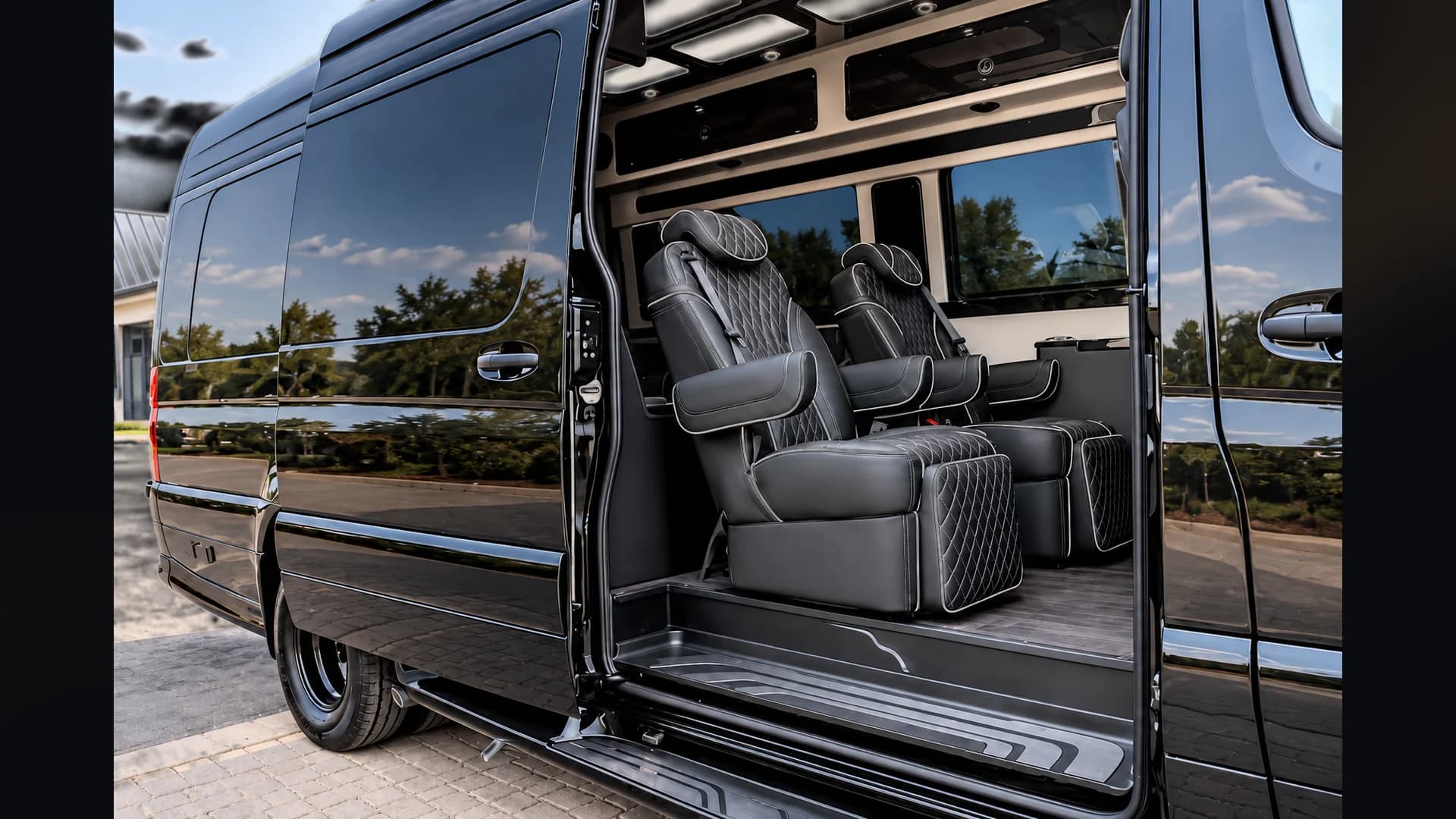
Couples and small parties usually take an executive sedan or SUV, while larger groups such as birthdays, bachelorette weekends or corporate offsites travel together in an Executive Sprinter so nobody is split across cars. Tell the desk how many guests are coming and whether you will bring back wine, because cases take room. In Napa Valley every vehicle class books on the 6-hour wine-tour minimum, the chauffeur stays with your group throughout, and the quote shows the total for the vehicle you choose before you confirm.
Family and kids notes
Only adults of legal drinking age taste, and policies on children vary by winery, so check each estate's own rules before booking. Our family-friendly Napa Valley wineries page collects estates that publish a family policy, along with the date we last verified it. If children are travelling, mention car seats when you book so the right vehicle and seats are arranged.
Seasons and harvest
Harvest, often called crush, usually falls between late summer and autumn, when the valley is busiest and weekend appointments go quickly. Winter is quieter and well suited to relaxed tastings, spring brings bud break and mustard in the vineyards, and summer days are long and warm. Whatever the season, book appointments and transport early for weekends and holidays, and allow extra time on Highway 29 at the start and end of the day.
Wine styles and what to expect
Napa Valley is known for Cabernet Sauvignon and Bordeaux-style red blends, grown both on the valley floor and on the mountain AVAs, while the cooler Los Carneros district at the southern end is known for Chardonnay, Pinot Noir and sparkling wine. Many estates also pour Sauvignon Blanc, Merlot, Cabernet Franc and Zinfandel. Tasting formats range from a standing bar flight to a seated, guided tasting with food, and a cave or vineyard tour where the winery offers one. Ask each winery what its reservation includes so you can space the day, since a seated tasting can take far longer than a bar flight.
Lunch, pacing and a safe day
A good Napa day balances tasting with food, water and time to sit down. Most groups plan a proper lunch between the second and third appointment, either at a winery that offers food with a reservation or in Yountville, St. Helena or downtown Napa. Your chauffeur keeps water in the vehicle, waits while you eat and handles parking. Nobody in your group has to drive, so everyone can taste, and the evening drive back to your hotel or a Bay Area address is planned before you set off.
Accessibility and comfort
Some wineries sit on hillsides with steps, gravel paths or long cave walks, while others are on level ground with accessible tasting rooms. If anyone in your group uses a wheelchair or walker, or prefers to avoid stairs, tell the desk and check each winery's own accessibility notes when you book. The chauffeur can drop and collect at the closest permitted door, carry purchases, and adjust the route if someone needs a break.
Corporate and event wine days
Napa is a common choice for client entertaining, team offsites and celebrations. For a corporate wine day, the desk can coordinate several vehicles arriving together, keep a single timeline for every chauffeur, and send the itinerary and driver details in writing to the organiser. Weddings and private events in the valley often combine guest shuttles with a separate car for the couple; share the venue schedule and the number of guests and the quote covers each vehicle on the same minimum.
Getting there from SFO, OAK, APC and STS
Most visitors fly into San Francisco International (SFO) or Oakland International (OAK) and can be met on arrival for a transfer to Napa, or picked up from a Bay Area address the morning of the tour. Private flights often use Napa County Airport (APC), which sits at the southern end of the valley, and Charles M. Schulz–Sonoma County Airport (STS) suits guests combining Napa with Sonoma. Book the arrival transfer and the wine day together and the desk lines up the timing for both.